What a gym or studio website needs to sign up members
What turns a visitor into a member, from the gym, studio and wellness websites we've built: first-visit answers, live timetables, prices and one-tap booking.


Darshan Patel and Rahil Memdani
· 6 min read
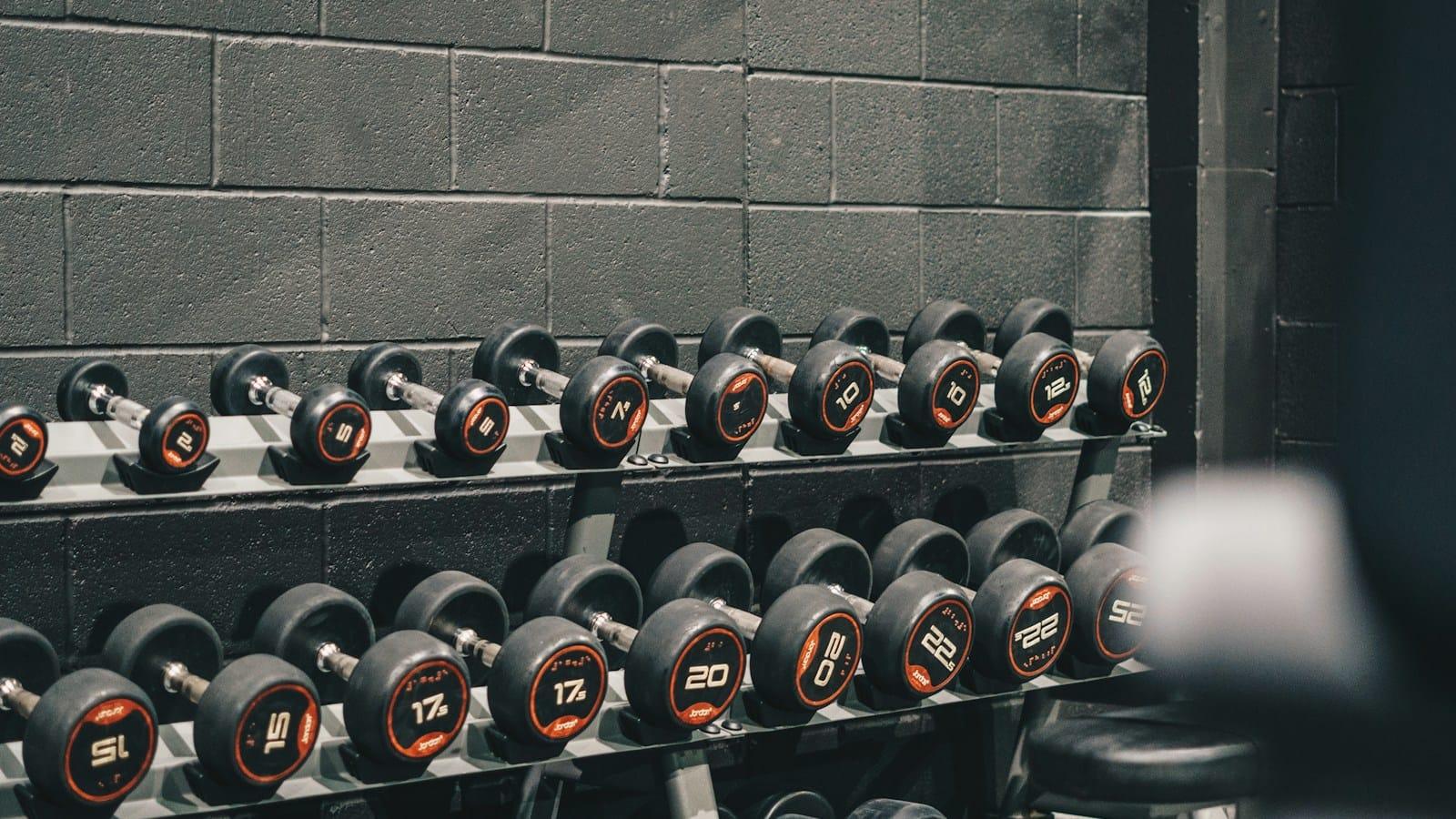
We've built websites for a boutique gym, an assisted stretching studio, a Lagree studio and a health and performance program, so we've spent a lot of time on one question: what makes someone who has never walked through the door actually book?
Here's what we've learned. Very little of it is about design trends. Most of it is about removing the reasons people leave.
Answer the nervous questions first
Someone looking at a new gym or studio is often a bit nervous. Will I be the least fit person there? What do I wear? What actually happens in the first session? If the site doesn't answer that, they close the tab.
StretchFLEX, an assisted stretching studio in Perth's CBD, has a first-visit guide that walks through a first session step by step, from check-in to the plan you take home, plus a short FAQ on what to wear and whether it hurts. Plenty of visitors have never had assisted stretching before, so those pages do a lot of the selling.
Help people choose, then get out of the way
Too many options stop people deciding. StretchFLEX offers eight kinds of session, so the site has a two-tap picker (how much time you have, and what matters most) that points to the right one, plus a filter by type for people who already know what they want.
Tribe Wellness Co, a boutique gym in Jolimont, does the same for memberships, with a membership finder that points people to the right option in about twenty seconds.
Keep the Book button within reach
The moment someone decides is the moment you want the Book button in front of them. On LSN Lagree's site, booking a class is one tap away on every page. On StretchFLEX, every session has its own Book button that carries the chosen session through to the booking page, so nobody has to pick twice.
Put prices on the site
Some owners would rather talk price in person. But visitors who can't find a price tend to assume it's high and move on. Publishing prices, or at least a starting price, filters out people who were never going to join and reassures the ones who were.
Keep the timetable and prices live
A timetable typed into a website goes out of date the first time something changes. Tribe's class timetable and pricing are pulled straight from the gym's booking system, so the site is always right and nobody has to update two places.
Let people join online
If joining means filling in a form and waiting for a call back, some people won't bother. Tribe has a two-minute online sign-up. For a program with limited places, like WBW, showing live seat availability tells people exactly where things stand.
Show your real place and people
Stock photos of models in matching activewear all look the same. Real photos of your space, your coaches and your members, with Google reviews in their own words, do more than any headline. StretchFLEX's home page opens with a photo of the actual team in the actual studio.
Give members a reason to come back
A website doesn't stop being useful once someone joins. Tribe's members area has an attendance leaderboard and a community wall, which gives members a reason to log in and a bit of friendly competition.
A good gym or studio website answers three questions fast: is this for someone like me, what does it cost, and how do I start?
A quick checklist for your site
- Can a first-timer find out what happens in their first session in under a minute?
- Are prices, or starting prices, on the site?
- Is there a Book or Join button on every page?
- Does it work well on a phone, where most of your visitors are?
- Is the timetable connected to your booking system, or typed in by hand?
- Are the photos of your place and your people?
- Does it load quickly on mobile data?
Want one like this?
We build websites for gyms, studios and wellness businesses around Australia, connected to the booking and membership systems you already use. See more of our work or how we build websites. After a thirty-minute call you get a written plan with costs, and a working preview within seven days.
Common questions
What should a gym website include?
Can my website connect to my gym's booking system?
Should a gym put its prices on its website?
Keep reading
All postsShopify vs a custom website: which is right for your business?
An honest comparison of Shopify and a custom-built online store: cost, control, ownership and growth, and how to tell which one your business needs.
Websites · 7 min read

How much does a business website cost in Australia?
What actually drives the price of a business website in Australia, the ongoing costs nobody mentions, and the questions to ask before you pay a deposit.
Websites · 6 min read

How to get your business recommended by ChatGPT
What decides which businesses ChatGPT, Perplexity and Google's AI Overviews recommend, and the practical steps that make yours one of them.
SEO & AI SEO · 7 min read